Firebox and Hearth Masonry Restoration
Firebox and hearth masonry restoration in Gilbert: how cracked firebrick and failed refractory mortar are repaired to keep your fireplace safe to use.
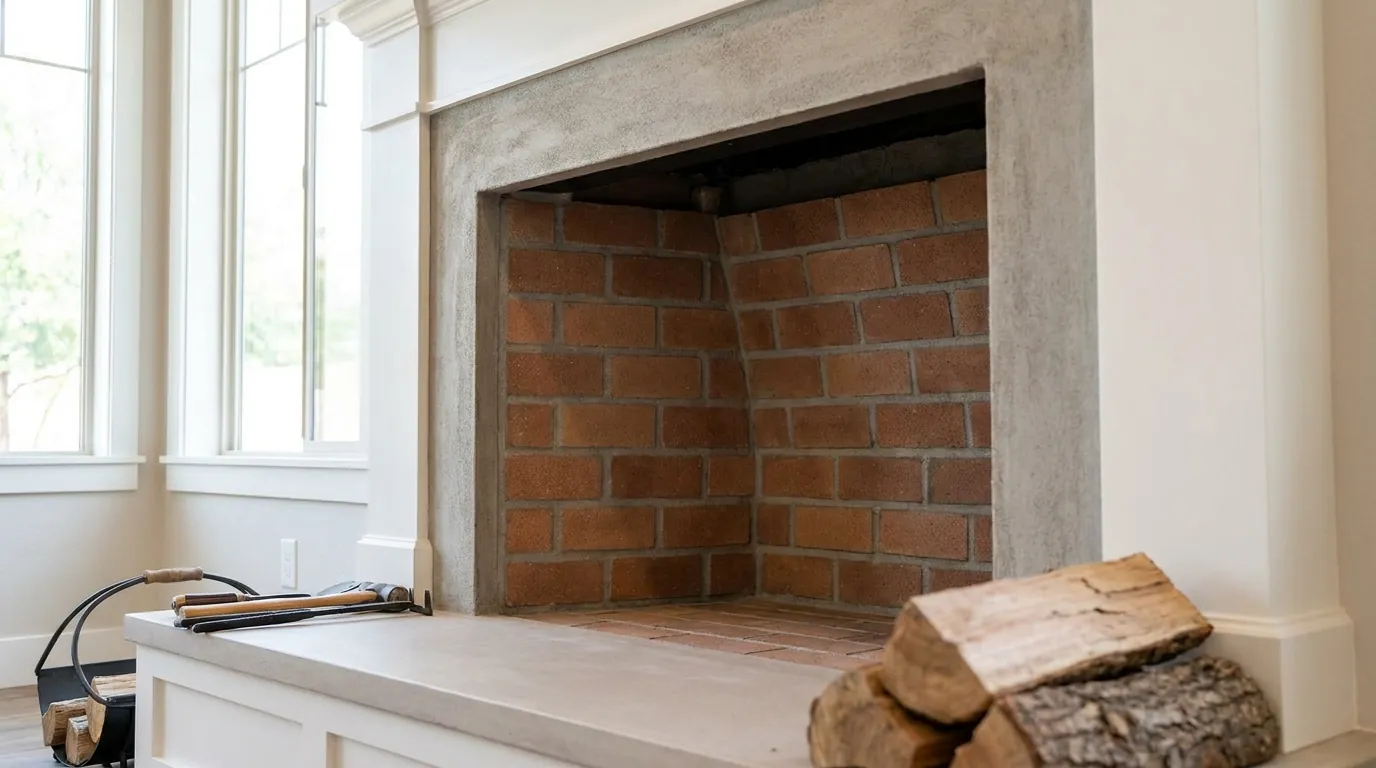
The part of the chimney you look at every day
The firebox is the chamber where the fire actually burns, and the hearth is the fire-resistant floor and surround in front of it. Unlike the rest of the chimney, this is masonry you see and touch, built from firebrick set in heat-resistant refractory mortar because it takes direct, intense heat every time you light a fire. Over years, that heat and the ash and moisture that come with it break down the firebrick and the joints between them. Restoration replaces the damaged firebrick and refractory mortar so the firebox is sound and safe to use again.
Warning signs are easy to spot once you know to look. Cracked or crumbling firebrick, gaps in the mortar joints, chunks of brick or mortar loose in the ash, and a firebox that shows soot escaping through gaps in the joints all point to restoration. A deteriorated firebox is not just cosmetic — the firebrick and refractory mortar are what protect the surrounding structure from the heat of the fire. If problems extend up into the flue above, that is a separate matter better handled with stainless steel flue relining.
What restoration involves
Firebox restoration is precise masonry work with materials made to survive direct flame.
-
Assess the firebox
We inspect the firebrick and joints to determine what can be repointed with refractory mortar and what firebrick has cracked or spalled badly enough to need replacing.
-
Remove damaged units
Failed firebrick and crumbling refractory mortar are removed carefully so the sound surrounding masonry is preserved and the new work keys in properly.
-
Rebuild with firebrick
New firebrick is set in refractory mortar rated for the heat of a working firebox, restoring the chamber's shape and its ability to reflect heat and protect the structure.
-
Finish the hearth
The hearth and surround are repaired where needed so the whole assembly reads as one restored fireplace and provides the fire-resistant floor the firebox depends on.
How local conditions play in
Because fireplaces in Gilbert see lighter use than in colder climates, firebox problems tend to build slowly and go unnoticed until the fireplace is fired up on the handful of cool nights each winter. That intermittent use has a downside: a firebox that sits unused for most of the year still absorbs moisture, and when it is suddenly heated hard, the rapid swing stresses firebrick and mortar that have quietly deteriorated. Add any water that has come down a failing flue or crown over the off-season, and the joints break down faster than the burning schedule would suggest.
Firebox restoration often surfaces during a broader chimney evaluation. If water has been reaching the firebox from above, the source needs to be addressed too — commonly with chimney flashing and leak repair or chimney crown and cap replacement — so the restored firebox is not undone by the same moisture that damaged it.
Is your firebox safe to use?
If the firebrick is cracked or the joints are crumbling, ask for an evaluation before your next fire. We will tell you what needs restoring and what can wait.
Serving Gilbert and neighboring East Valley towns.
Frequently asked questions
How do I know if my firebox needs restoration?
Look for cracked or crumbling firebrick, gaps in the mortar joints, loose brick or mortar in the ash, and soot escaping through the joints. Any of these means the firebrick and refractory mortar are no longer intact and should be evaluated before you burn.
Can I use regular mortar to patch a firebox?
No. The firebox takes direct heat, so it requires firebrick and refractory mortar rated for those temperatures. Standard masonry mortar breaks down under that heat and does not protect the surrounding structure the way refractory materials do.
Is a cracked firebox actually dangerous?
It can be. The firebrick and refractory mortar are what shield the surrounding framing and masonry from the heat of the fire. When they fail, that protection is compromised, which is why cracked firebrick and open joints should be restored rather than ignored.
Why does my rarely used fireplace still have firebox damage?
A firebox that sits unused most of the year still takes on moisture, and heating it hard on the few cold nights each winter stresses brick and mortar that have deteriorated. Water reaching it from a failing flue or crown accelerates that breakdown regardless of how often you burn.